Why Return Policies Deserve a Look Before You Check Out
Most shoppers skim return policies - or skip them entirely - until something goes wrong. By then, options narrow fast. A 15-day window closes quickly. A restocking fee can eat 20% of your refund. A "final sale" tag means exactly that.
Return policies are part of the real cost of a purchase. Factoring them in before you buy - especially on higher-ticket items - is one of the simplest ways to protect your budget. See the full pre-purchase checklist for a broader set of checks worth making before you commit.
| Typical return window (general retail) | 30 days (Standard across most major U.S. retailers) |
| Common restocking fee range | 10%-25% of purchase price (Frequently applies to electronics and large appliances) |
| Who pays return shipping (online)? | Varies; buyer often covers it unless item is defective (Policy differs by retailer) |
| Holiday extended return window | Often through January 31 (Many U.S. retailers extend windows for purchases made Nov-Dec) |
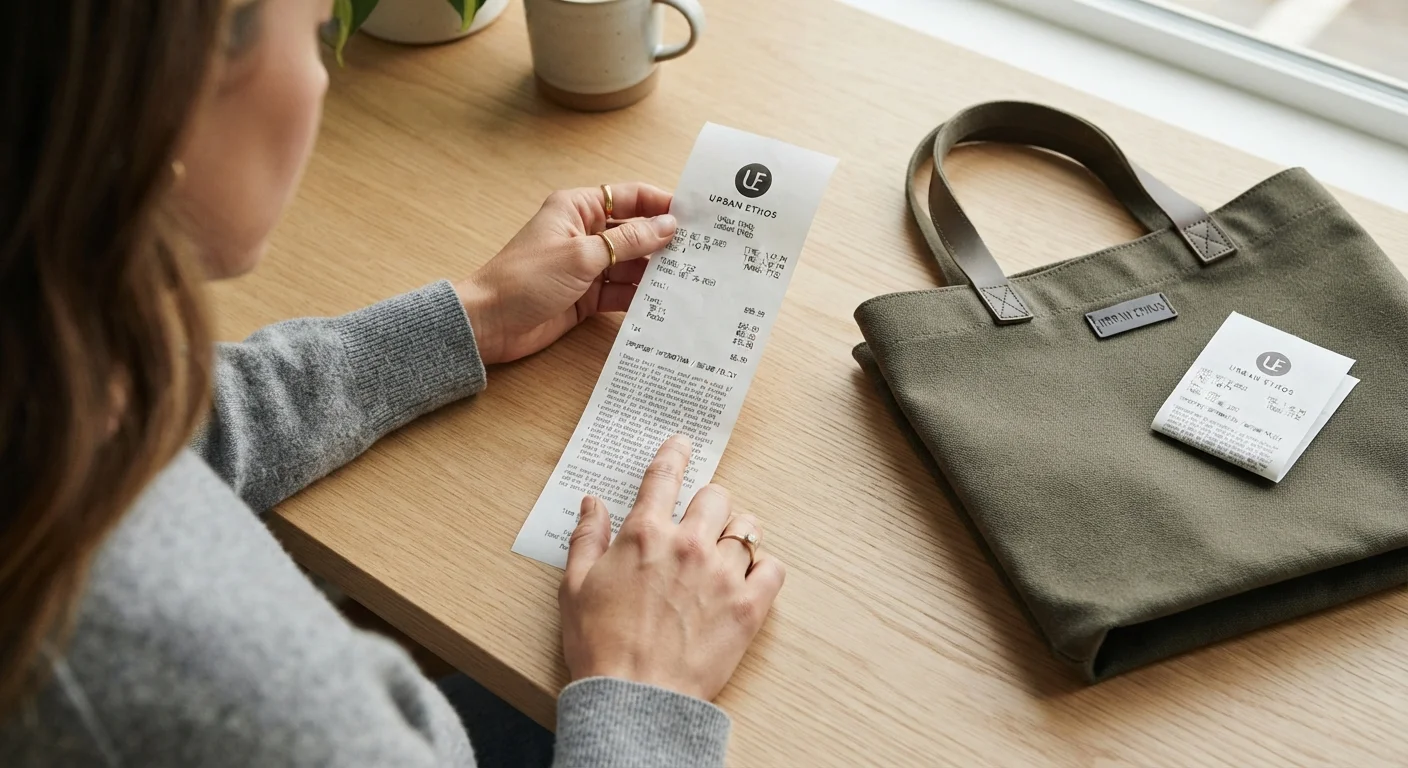
| Proof of purchase required? | Usually yes - receipt or order confirmation (Some stores accept account lookup in lieu of receipt) |
The Six Things to Check in Any Return Policy
1. The Return Window
How many days do you have? Count from the purchase date, not when the item arrives. For online orders, factor in shipping time - a 30-day window can effectively shrink to two weeks if delivery takes a week and you need time to test the product.
2. Restocking Fees
Electronics, appliances, drones, and similar items frequently carry restocking fees of 10-25%. A $400 item returned with a 15% fee costs you $60. Confirm whether the fee applies before purchase, not after you've opened the box.
3. Original Condition and Packaging Requirements
Most retailers require items to be unused and in original packaging. Opened software, unsealed mattresses, and worn apparel are common exceptions that void full-refund eligibility. If you're buying something you'll need to test thoroughly, check whether opened counts as used under that retailer's terms.
4. Who Pays Return Shipping
For online purchases, free return shipping is not guaranteed. If the retailer requires you to pay, that cost chips into your refund. Some retailers waive return shipping only if the item is defective or the wrong item was sent.
5. Refund Method
Will you get your money back to the original payment method, or store credit only? Store credit ties your money to one retailer. Know this upfront if flexibility matters to you.
6. Return Authorization Requirements
Online returns often require a Return Authorization (RA) number before you ship anything back. Missing this step can result in a rejected package or denied refund.
Categories That Tend to Have Stricter Policies
Not all product categories are treated equally. Certain items carry tighter rules across most retailers:
- Electronics: Short windows (often 15 days), frequent restocking fees, and open-box restrictions are common.
- Mattresses and furniture: Many require a minimum "trial period" before a return is allowed, or charge delivery fees for pickup.
- Clearance and final-sale merchandise: Typically non-returnable. Look for "final sale" or "all sales final" language before purchasing discounted items.
- Personal care items: Opened products are frequently non-returnable for hygiene reasons.
- Custom or personalized items: Usually non-returnable regardless of condition.
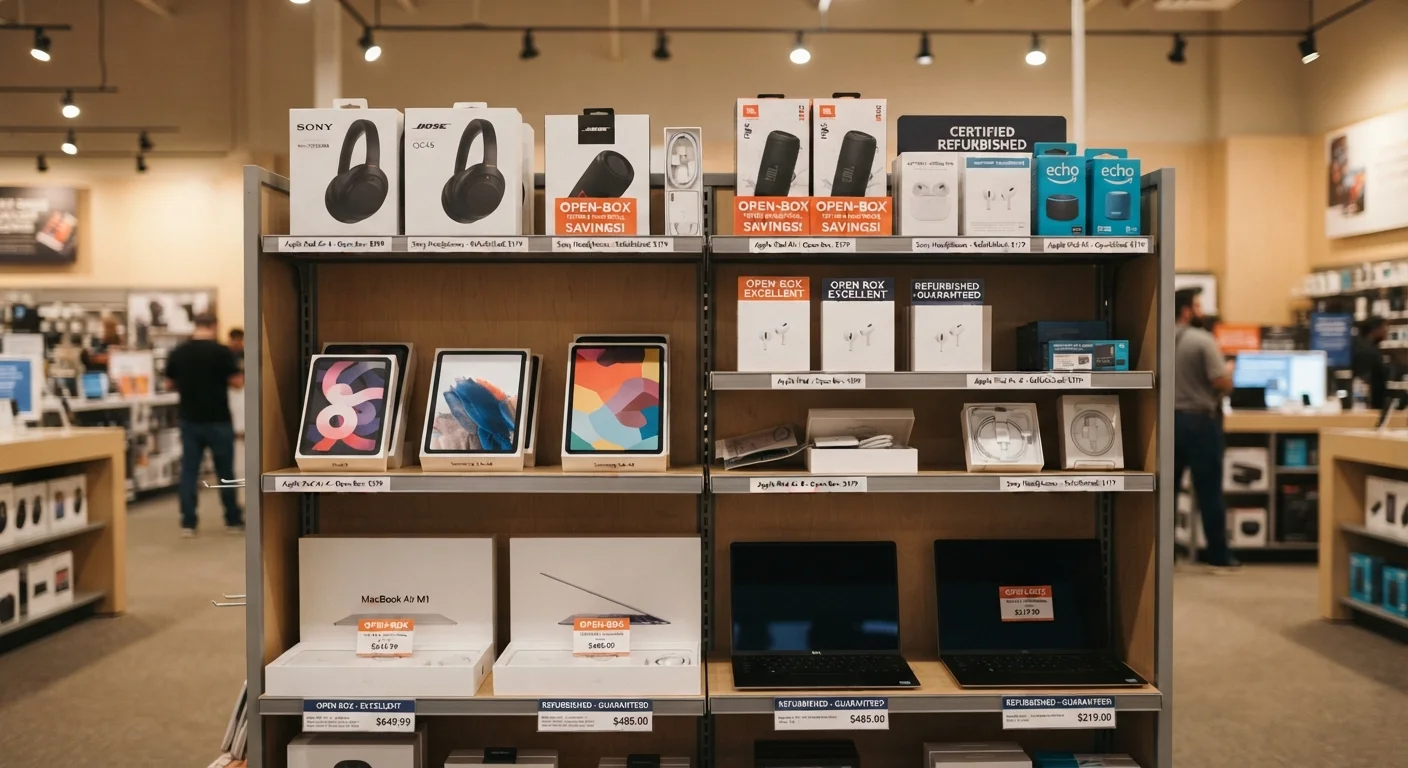
If you're buying open-box or refurbished goods, confirm whether the return policy mirrors that of new merchandise - it often doesn't.
Gift Purchases Have Different Rules
Many retailers allow gift recipients to return items for store credit even without the original payment method. Check whether the retailer offers a gift receipt option at checkout - this typically extends the same return window to the recipient without exposing the original purchase price.
Promotions and stacked discounts can also interact with return policies in unexpected ways. Check how a return is calculated when a coupon or rebate was applied - some retailers refund only the amount you paid, while others may reclaim the promotional value. See how stacking discounts affects the fine print before combining deals.
16.5%
Average U.S. retail return rate
According to the National Retail Federation's 2023 returns report, consumers returned roughly $743 billion in merchandise.
~50%
Online purchase return rate for some categories
Apparel and footwear purchased online can see return rates near 50%, per NRF and industry research.