How Bodyweight Training Creates Strength
Muscles grow stronger in response to one fundamental stimulus: being asked to do more than they're currently comfortable doing. This principle - called progressive overload - is the engine behind every effective strength program, whether it uses barbWeight bars or nothing but the floor.
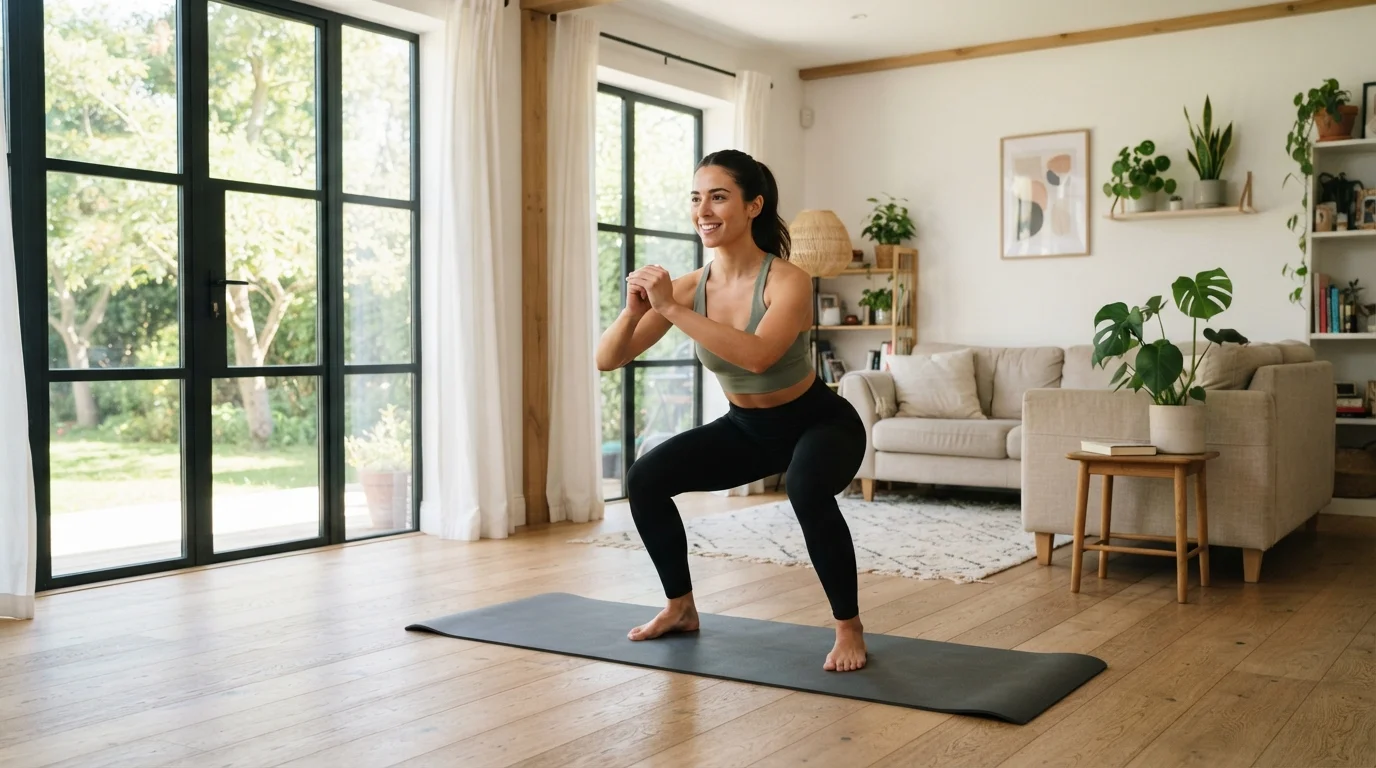
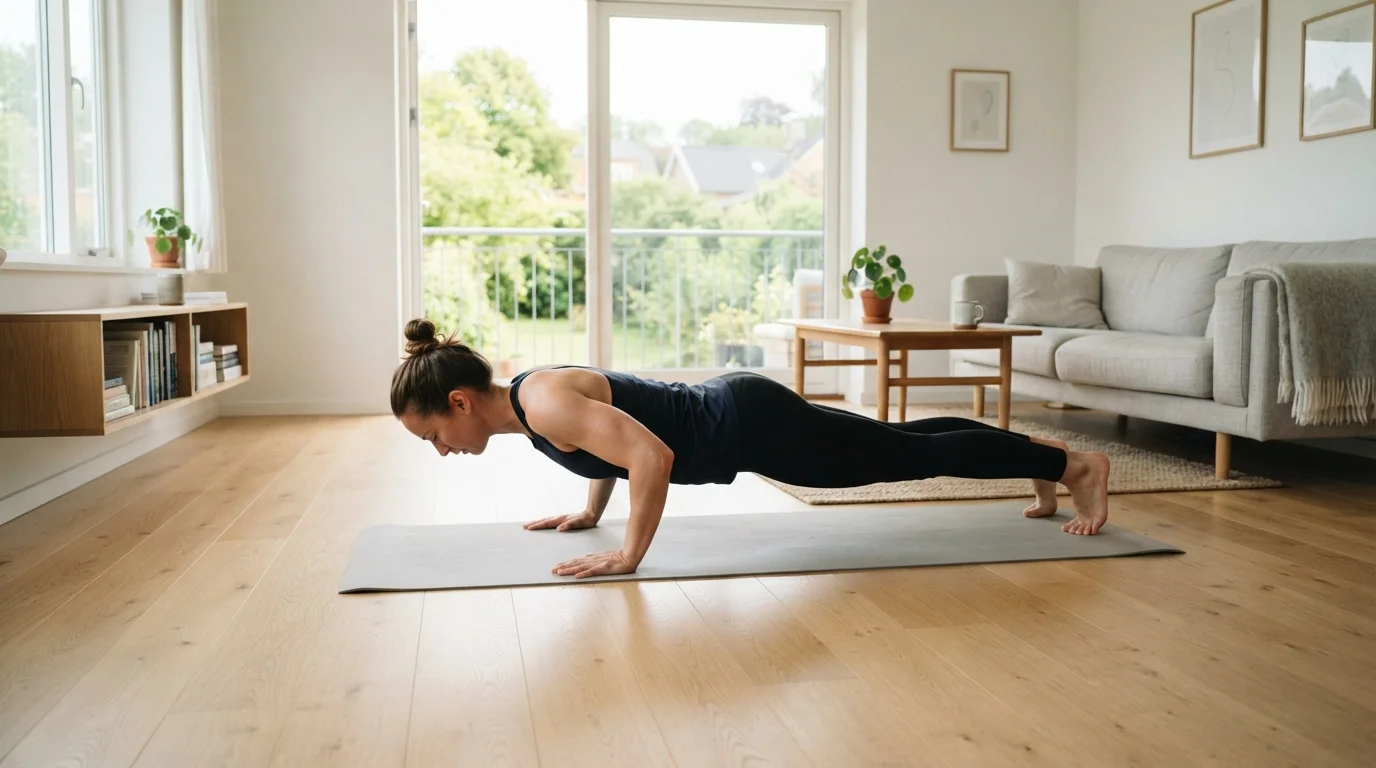
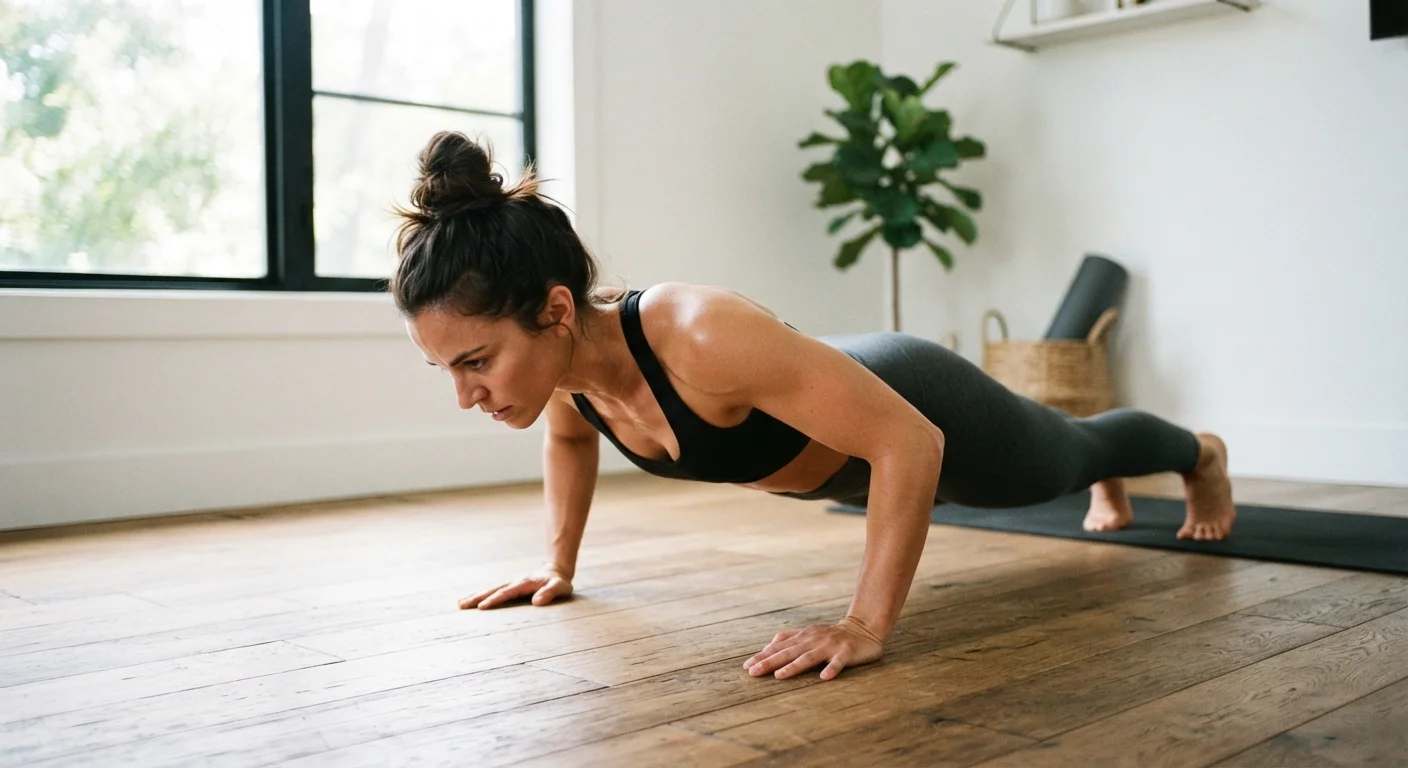
Bodyweight training applies progressive overload through a different mechanism than adding plates to a bar. Instead of increasing load, you increase difficulty by changing your body position, reducing your base of support, slowing your tempo, or advancing to a harder movement variation. A standard push-up becomes a close-grip push-up, then a decline push-up, then eventually a single-arm variation. Each step recruits more muscle fibers and demands more from your nervous system.
This scalability is one reason bodyweight training works across a wide fitness spectrum - and why it's genuinely challenging even for experienced exercisers. Learn how to scale movements to your current level as your fitness evolves.
Progression Is the Key Variable
The biggest mistake in bodyweight training is staying at the same difficulty level for too long. Once an exercise feels manageable for the prescribed sets and reps, it's time to advance - whether that means slowing the tempo, reducing rest, or moving to a harder variation. Tracking your workouts in a simple notebook or phone app makes it easy to see when you're ready to progress.
The Science Supporting Bodyweight Exercise
The research base for bodyweight training is solid. Studies in exercise physiology consistently show that resistance exercise - including bodyweight resistance - stimulates muscle protein synthesis, the biological process that repairs and builds muscle tissue. Functional movement patterns common in bodyweight training (squatting, hinging, pushing, pulling) have also been shown to improve joint stability and everyday mobility.
Cardiovascular benefits are another well-documented advantage. Circuit-style bodyweight training, where exercises are performed with minimal rest, can elevate heart rate into ranges associated with moderate-to-vigorous aerobic activity. This dual effect - strength and cardio in one session - makes bodyweight training particularly time-efficient.
150 min
Weekly activity recommended by U.S. health guidelines
The U.S. Department of Health and Human Services recommends at least 150 minutes of moderate-intensity aerobic activity per week, alongside muscle-strengthening activities on two or more days - all achievable through bodyweight exercise.
2+ days
Muscle-strengthening days recommended per week
Current U.S. physical activity guidelines specify that adults should include muscle-strengthening activity - such as bodyweight resistance training - on at least two days each week.
It's worth noting that bodyweight training does have limitations. Loading the lower body heavily enough for maximum strength development is harder without external resistance. For goals like competitive powerlifting or building very large muscle mass quickly, free weights or machines offer advantages bodyweight alone cannot fully replicate. Being clear-eyed about this helps you set realistic expectations. For more context on what home training can and cannot do, see our look at common home fitness myths examined against the evidence.
Why It's a Legitimate Alternative to the Gym
For many people, the gym creates real barriers: monthly membership costs, commute time, scheduling constraints, and the self-consciousness of exercising in public. Bodyweight training removes all of those friction points. A living room, a patch of grass, or a hotel room floor is sufficient space for an effective session.
The zero-equipment requirement also means there's no barrier to starting. You don't need to research gear, wait for a delivery, or set up a home gym. The entry point is simply deciding to begin.
Special Populations: Consult a Professional
If you are pregnant, postpartum, recovering from surgery or injury, managing a chronic condition, or are new to exercise at an older age, bodyweight training can still be appropriate - but the right movements and intensity levels vary significantly by individual. Please consult a qualified healthcare provider or certified exercise professional before starting.
Consistency - not equipment - is the strongest predictor of long-term fitness progress. A bodyweight routine performed three times a week over several months will produce far more measurable results than an expensive gym membership used sporadically. If you're ready to structure those sessions into a sustainable habit, our guide on building a consistent home workout routine from scratch walks through the practical steps.
If you eventually want to add a small amount of equipment, resistance bands offer an affordable next step without dramatically changing the approach. And when your progress slows - as it will for everyone at some point - understanding why home workouts plateau and how to address it will help you keep moving forward.
This article is for general informational and educational purposes only and is not a substitute for professional medical advice. Consult a qualified healthcare provider before beginning any new exercise program, particularly if you have existing health conditions or injuries.